Does Your Child Need Paediatric Occupational Therapy in Delhi
Every parent notices it differently.
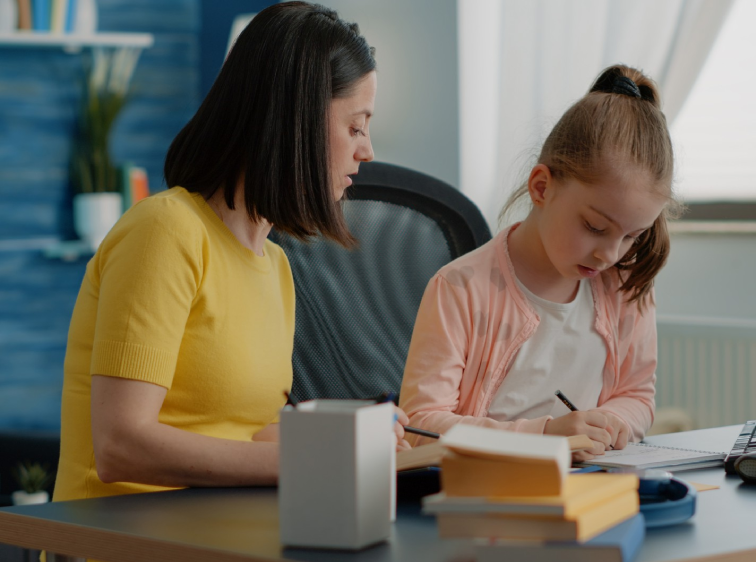
For some, it is the way their child struggles to hold a crayon while classmates fill their worksheets with ease. For others, it is the daily battle of getting dressed, tying shoelaces, or simply sitting still long enough to finish a meal. And for many, it is the meltdowns in crowded places, the refusal to touch certain textures, the inability to climb stairs with confidence.
These moments feel isolating. They feel confusing. And more often than not, they go unaddressed for far too long simply because parents do not know what they are looking at.
If any of this sounds familiar, paediatric occupational therapy in Delhi may be exactly what your child needs. And this guide will help you understand why.
What Paediatric Occupational Therapy Actually Means
The word "occupational" confuses many parents. It sounds like job training. It is not.
For children, occupation means everything they are supposed to be doing at their age. Playing. Learning. Dressing themselves. Eating. Writing. Making friends. Participating in school. These are a child's occupations. And when a child struggles with any of these, occupational therapy steps in.
Paediatric occupational therapy in Delhi focuses on helping children develop the physical, cognitive, sensory, and emotional skills they need to carry out these daily activities independently. A trained paediatric occupational therapist does not just work on one isolated skill. They look at the whole child, the way different systems interact, and why certain tasks feel impossible even when the child is clearly intelligent and willing to try.
The Signs Most Parents Miss
The challenge with developmental difficulties is that they rarely announce themselves clearly. They creep in quietly, disguised as stubbornness, laziness, sensitivity, or simply being "a difficult child."
Here are signs that often point toward a need for paediatric occupational therapy in Delhi:
Physical and Motor Signs
- Your child has poor handwriting that does not improve despite practice
- They struggle with buttons, zips, shoelaces, or using cutlery
- They seem unusually clumsy, bumping into things frequently
- They avoid activities that require balance, like riding a bike or climbing
- Their grip on a pencil or toy looks awkward or uncomfortable
Sensory Signs
- They become extremely distressed by certain textures of food, clothing, or surfaces
- Loud sounds, bright lights, or crowded spaces cause intense reactions
- They seek constant physical input, crashing into things or needing to touch everything
- They are unusually sensitive or unusually unresponsive to pain or temperature
Behavioural and Emotional Signs
- They become easily overwhelmed during transitions or changes in routine
- They struggle to focus or sit still for age-appropriate tasks
- They have frequent meltdowns that seem disproportionate to the situation
- They avoid play activities that other children their age enjoy
Social and School-Based Signs
- They struggle to keep up in class despite having no intellectual difficulty
- Their teacher has flagged concerns about attention, participation, or fine motor skills
- They find it hard to interact with peers during group activities
If you are seeing three or more of these signs consistently, a formal assessment at a paediatric occupational therapy centre in Delhi is a sensible and important next step.
A Day in the Life: What One Delhi Family Experienced
Riya was six years old when her mother first brought her to AILC. Her teachers had been concerned for nearly a year. Riya was bright and talkative but could not hold a pencil properly, refused to eat anything with a certain texture, and would cry inconsolably every morning before school.
Her parents had tried stricter routines. More practice. Softer encouragement. Nothing worked.
Within the first assessment at AILC, the occupational therapist identified a sensory processing difficulty combined with weak fine motor development. Within three months of consistent paediatric occupational therapy in Delhi, Riya was eating a wider range of foods, writing legibly, and most importantly, walking into school without tears.
Her mother said something that stayed with the team: "I thought she was being difficult. I did not know she was struggling."
That gap between what a parent sees and what is actually happening is exactly what paediatric occupational therapy exists to close.
The Conditions Paediatric Occupational Therapy in Delhi Addresses
Paediatric occupational therapy is not only for children with a formal diagnosis. It supports a wide range of conditions and challenges, including:
- Autism Spectrum Disorder
- ADHD and attention difficulties
- Sensory Processing Disorder
- Cerebral Palsy
- Down Syndrome
- Developmental Coordination Disorder
- Dyspraxia
- Delayed fine and gross motor development
- Anxiety affecting daily functioning
- Feeding and oral sensory difficulties
- Post-surgery or post-injury rehabilitation
Even children without a formal diagnosis who are simply struggling with daily tasks can benefit significantly from a structured occupational therapy program.
How a Quality Paediatric Occupational Therapy Programme Works in Delhi
No two children receive the same programme. That is the first thing to understand.
When your child begins paediatric occupational therapy in Delhi at a quality centre, the process begins with a comprehensive assessment. The therapist observes how your child moves, processes sensory information, handles tools and objects, manages attention, and responds to different environments.
From this assessment, a detailed and individualised therapy plan is created. Goals are specific, measurable, and reviewed regularly.
Sessions typically involve a combination of:
Sensory Integration Activities
Structured activities using swings, textured surfaces, weighted tools, and movement exercises to help the nervous system process sensory input more effectively.
Fine Motor Skill Building
Activities designed to strengthen hand and finger muscles, improve coordination, and develop the precision needed for writing, drawing, cutting, and self-care tasks.
Gross Motor Development
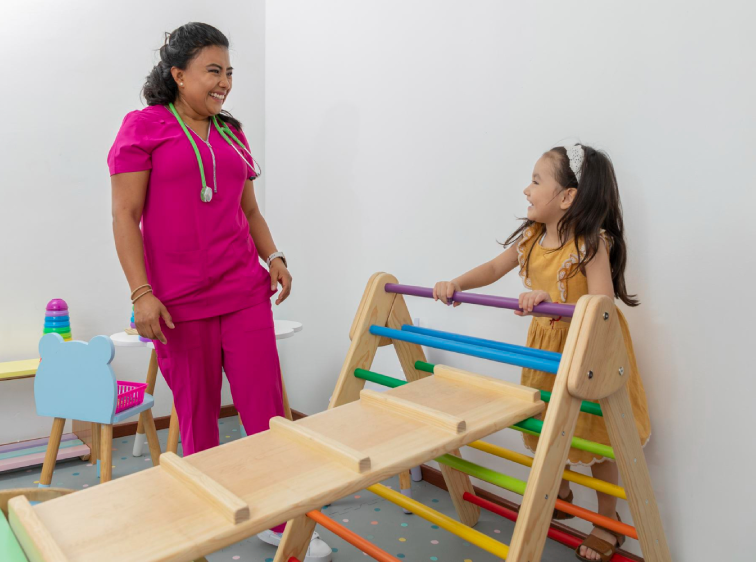
Balance boards, obstacle courses, and movement-based tasks that build core strength, body awareness, and physical confidence.
Activities of Daily Living
Direct practice of real-life skills like dressing, eating, organising belongings, and managing a school bag, broken down into achievable steps.
Cognitive and Emotional Regulation
Strategies to help children manage transitions, handle frustration, and build the self-regulation skills that make learning and social interaction possible.
Progress is tracked after every session. Parents receive regular updates and are taught how to carry the work forward at home between sessions.
Expert Perspective: Why Starting Early Changes Everything
The human brain is at its most adaptable in the early years. Neuroplasticity, the brain's ability to form new connections and pathways, is highest between birth and age eight. After this window begins to close, change is still possible but it requires significantly more effort and time.
This is why developmental specialists and paediatric occupational therapists across Delhi consistently emphasise one message to parents: do not wait.
A child who begins paediatric occupational therapy in Delhi at age three or four will almost always achieve more in twelve months than a child who begins the same therapy at age eight or nine. The goals are the same. The potential is the same. But the brain's readiness to change is very different.
Waiting to see if your child "grows out of it" is understandable. It is also, in many cases, the costliest decision a parent can make.
Myth vs Fact: What Parents Often Get Wrong
Myth: My child just needs more practice at home.
Fact: Practice without the right technique reinforces incorrect patterns. An occupational therapist identifies the root cause of the difficulty and addresses it in a way that home practice alone cannot.
Myth: Occupational therapy is only for children with serious disabilities.
Fact: Paediatric occupational therapy in Delhi supports children across a wide range. Many children with mild difficulties, including school struggles, sensory sensitivities, and coordination issues, see transformative results.
Myth: My child will outgrow these difficulties.
Fact: Some children do. Many do not. And for those who do not, every month without support is a month of unnecessary struggle in school, at home, and socially.
Myth: Occupational therapy and physiotherapy are the same thing.
Fact: Physiotherapy focuses primarily on movement, strength, and pain. Occupational therapy focuses on how a child performs daily life tasks. They are complementary but distinct disciplines.
Myth: One or two sessions will show whether it is working.
Fact: Meaningful progress in paediatric occupational therapy typically becomes visible over six to twelve weeks of consistent sessions. Commitment to the process is what drives results.
Why AILC Is the Trusted Name for Paediatric Occupational Therapy in Delhi
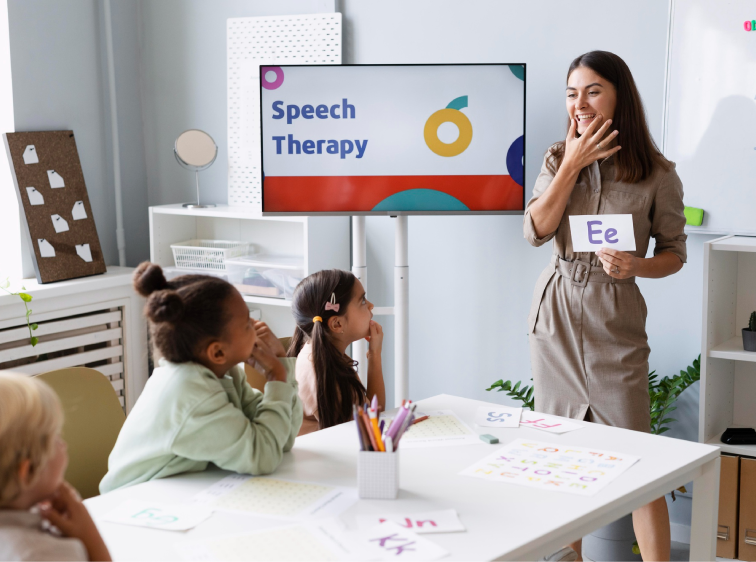
AILC, Adhyayan Inclusive Learning Centre, has been supporting children with developmental challenges for over thirty years. The occupational therapy programme at AILC is not a standalone service. It is integrated into a full multidisciplinary approach that brings together occupational therapists, speech therapists, ABA specialists, behavior modification experts, and special educators under one roof.
This matters because children rarely present with a single isolated difficulty. A child with sensory processing issues often also has speech delays. A child with fine motor difficulties often also has attention challenges. At AILC, the team communicates, collaborates, and coordinates so that your child's therapy plan reflects the full picture.
AILC serves families from across Delhi and neighbouring areas including Faridabad, with the centre located in South Extension Part 1, New Delhi.
More than two thousand families have walked through these doors and found not just therapy but a team that genuinely invests in their child's future.
If you have been asking yourself whether your child needs paediatric occupational therapy in Delhi, the answer is worth finding out. An assessment is the first step, and it costs far less than months of uncertainty.
What You Can Do Right Now
Start by writing down the specific things you have noticed. When do they happen? How often? What makes them better or worse? This observation record will be invaluable in the first assessment.
Then call AILC and speak to the team. You do not need a referral. You do not need a diagnosis. You need a conversation with people who have spent thirty years helping children just like yours.
Your child is not broken. They are not lazy. They are not difficult. They may simply need a different kind of support. And that support is available, right here in Delhi, at a centre that has been doing this longer than most.
Reach out to AILC today. The earlier you act, the more you give your child.