Where Can You Find the Best ABA Therapy Centre in Delhi
You searched. You asked other parents. You spent nights reading about therapies, centres, and approaches. And yet, the question stays the same: where exactly can you find the best ABA therapy centre in Delhi that will actually help your child?
You are not alone in asking this. Thousands of Delhi families walk this same path every year, often confused, often scared, and often unsure who to trust. This guide is written to answer that question honestly, practically, and with the kind of detail that actually matters to a parent.
The Moment Most Parents Realize Something Is Different
It rarely starts with a diagnosis. It starts with a feeling.
Your child does not respond when you call their name. They line up their toys in the same order every single time. A small change in routine leads to a meltdown that leaves everyone exhausted and confused.
Most parents dismiss these signs early. "He is just a late talker." "She is shy." "Boys develop slower." Months pass. Sometimes years.
By the time a developmental pediatrician confirms what you suspected, many families have already lost valuable time. The window for early intervention is real. And the research behind Applied Behavior Analysis, the therapy at the heart of what the best ABA therapy centre in Delhi offers, shows clearly that the earlier you begin, the stronger and faster the outcomes.
What ABA Therapy Actually Is (And What It Is Not)
There is a lot of confusion around ABA. Some parents arrive at a centre thinking it is punishment-based. Others think it is just play. Neither is accurate.
ABA, or Applied Behavior Analysis, is a structured, evidence-based approach that teaches children with autism and related developmental conditions how to learn, communicate, behave, and connect with the world around them. It works by breaking down complex skills into small, teachable steps and using positive reinforcement to build those skills over time.
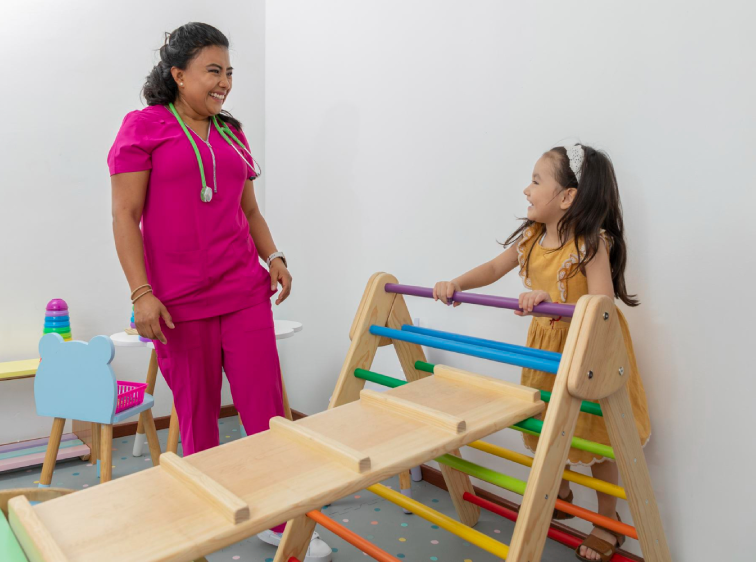
At a quality centre, ABA is not robotic repetition. It is responsive, personalized, and woven into natural play and daily routines. A trained behavior therapist works with your child in a way that looks and feels natural, even when the science behind it is deeply structured.
The best ABA therapy centre in Delhi will never promise a cure. What they will promise is progress, consistency, and a team that genuinely cares about your child's development.
A Checklist: What to Look for Before You Enroll
Not every centre that offers ABA therapy in Delhi is equipped to deliver it properly. Use this checklist before you make a decision:
- Qualified and certified behavior therapists on staff
- Individualized treatment plans based on your child's specific assessment
- Transparent progress tracking shared with parents regularly
- Parent training sessions so you can reinforce therapy at home
- A structured but nurturing environment that your child feels safe in
- Clear communication channels between therapists and families
- Experience working with children across the autism spectrum, including non-verbal children
- A multidisciplinary team that includes speech therapists and occupational therapists alongside ABA specialists
If a centre cannot clearly answer your questions about any of the above, keep looking.
The Mistake Parents Make Most Often
The most common mistake is waiting for the "right time."
Parents wait for a second opinion. They wait until the child is a little older. They wait to see if the behavior settles on its own. Every month of waiting is a month of missed neural development. The brain of a young child between the ages of two and eight is forming connections at a pace that will never happen again. ABA therapy is most effective precisely during this period.
The second most common mistake is choosing a centre based on proximity alone. Location matters, but method matters more. A centre fifteen minutes away with undertrained staff will produce far weaker results than a centre forty minutes away with a structured, proven program.
Myths About ABA Therapy That Delhi Parents Still Believe
Myth: ABA therapy is only for children with severe autism.
Fact: ABA is effective across the entire autism spectrum. Children with mild, moderate, and severe presentations all benefit. It is also used for children with ADHD, behavioral disorders, and other developmental conditions.
Myth: ABA therapy makes children robotic.
Fact: Modern ABA therapy is naturalistic, play-based, and child-led wherever possible. The goal is independence and joy, not mechanical compliance.
Myth: Only the child needs to be involved.
Fact: Parent involvement is one of the strongest predictors of outcome in ABA therapy. The best ABA therapy centre in Delhi will actively train and involve you in the process.
Myth: Results take years to appear.
Fact: Many parents notice meaningful changes within the first eight to twelve weeks, particularly in areas like eye contact, following instructions, and reducing challenging behaviors.
What a Typical Week at a Quality ABA Centre Looks Like
Understanding the structure helps parents set realistic expectations.
A well-designed ABA program typically involves anywhere from ten to forty hours of therapy per week depending on your child's age, diagnosis, and goals. Sessions are divided across individual one-on-one therapy, small group sessions, and structured play.
Each session begins with a short warm-up activity. The therapist then moves through specific targets from your child's individualized plan. These targets might include making eye contact during conversation, asking for a desired object, transitioning between activities without distress, or learning to wait their turn.
At the end of each session, therapists log data. This is not busywork. It is how the team tracks what is working, what needs to change, and how fast your child is progressing. Progress reviews are then shared with parents, usually weekly or fortnightly.
Every month, the program is reviewed and updated. As your child masters one skill, the next set of goals is introduced.
Why AILC Is Considered the Best ABA Therapy Centre in Delhi
Adhyayan Inclusive Learning Centre, known as AILC, has been working with children with developmental challenges for over thirty years. That kind of experience does not just build expertise. It builds wisdom.
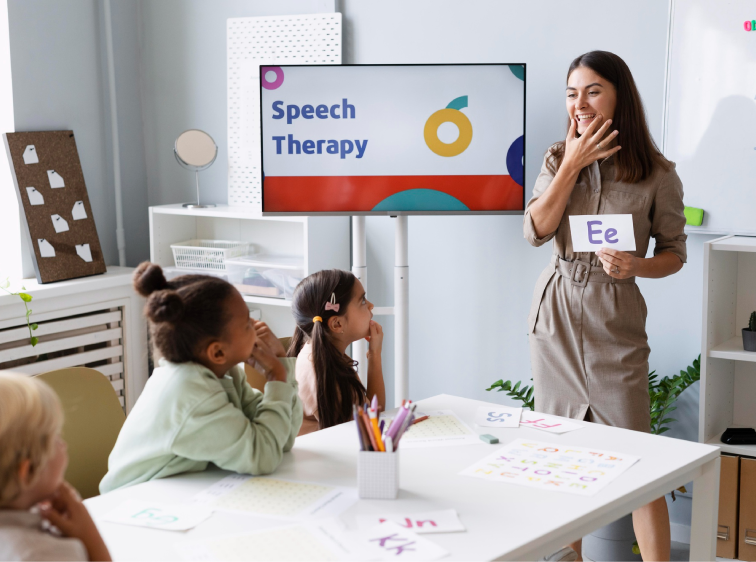
AILC offers a fully integrated approach where ABA therapy works alongside speech therapy, occupational therapy, behavior modification, and special education. This means your child is not being seen by one therapist with a narrow lens. They are being supported by an entire team working from a single, coordinated plan.
The centre is located in South Extension Part 1, making it accessible to families across South Delhi, Central Delhi, and neighboring areas including Faridabad.
What makes AILC stand apart is not just the therapy. It is the relationship. Families who have been with AILC describe therapists who remember the small details, who celebrate the small wins, and who communicate honestly when something is not working and needs to change.
Over two thousand families have trusted AILC with their children. That number is not a marketing claim. It is thirty years of showing up, adapting, and delivering results.
If you are searching for the best ABA therapy centre in Delhi, your search can end here.
The Role of Family in Making ABA Therapy Work
No centre, no matter how good, can do this alone.
Research consistently shows that children who receive ABA therapy and have actively involved parents make significantly faster progress than children whose parents are less involved. This does not mean you need to become a behavior analyst. It means learning the basic principles your child's therapist uses and applying them consistently at home.
AILC builds parent training directly into its program. You will leave each review session not just knowing how your child is doing, but knowing exactly what to do at dinner, at bedtime, and on the school run to support what is being built in the therapy room.
Taking the First Step
The best time to start was yesterday. The second best time is today.
If your child is showing signs of autism, ADHD, a speech delay, or behavioral challenges, do not wait for those signs to resolve on their own. An early assessment costs nothing compared to the months or years of progress it unlocks.
Book a consultation at AILC. Speak to the team. Bring your questions, your concerns, and your observations. A good centre will listen before they advise.
You have already done the hard part by educating yourself. Now take the next step.
Contact AILC today and find out how the best ABA therapy centre in Delhi can help your child build the skills, confidence, and independence they deserve.